Best Cities for Food Lovers to Visit: Top Culinary Destinations to Explore
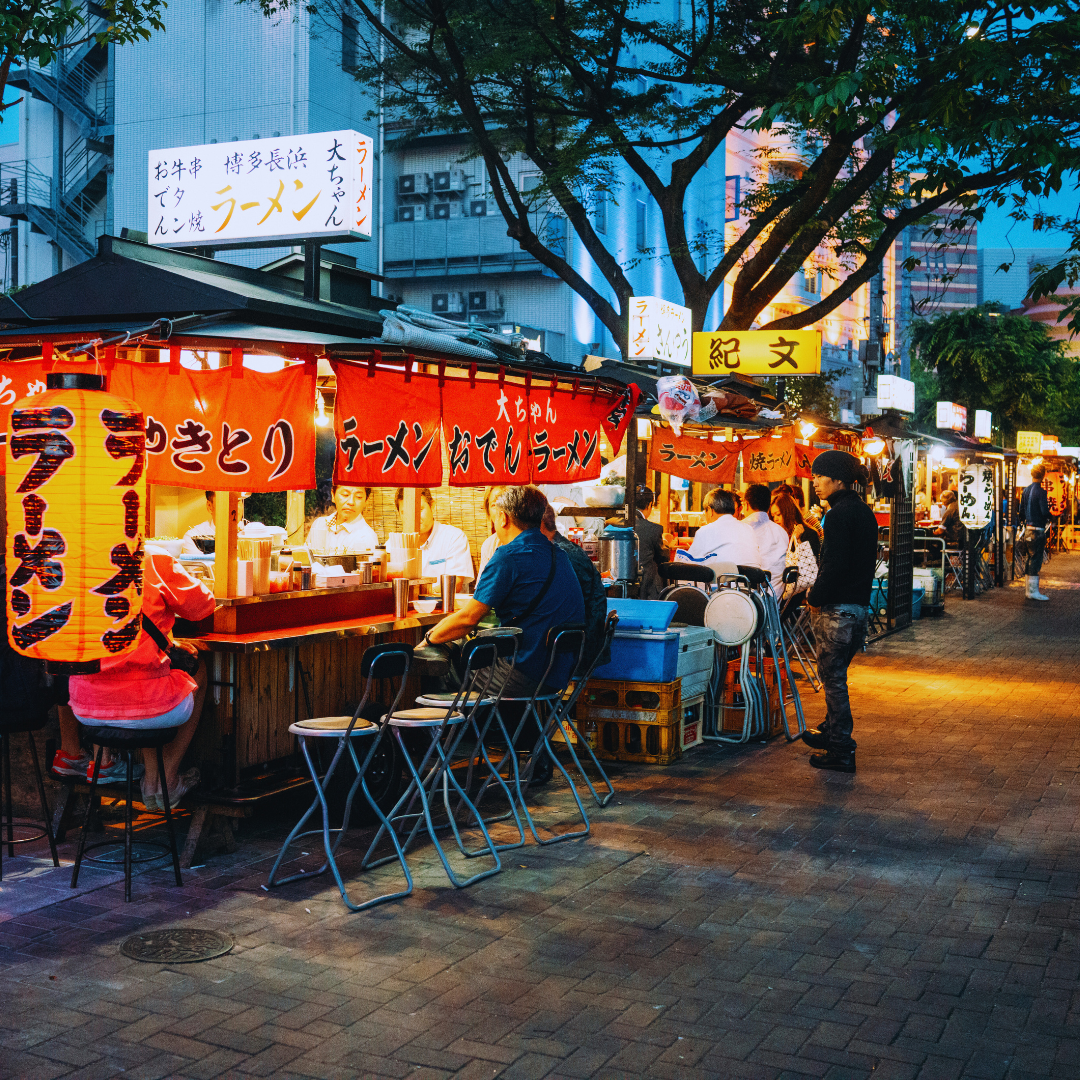
For food lovers, exploring new cities presents an exciting opportunity to experience diverse cuisines and culinary traditions. Some of the best cities for food enthusiasts include Tokyo, Barcelona, and New Orleans, each offering unique dining experiences that cater to every palate. From street food stalls to Michelin-starred restaurants, these destinations provide a feast for both the eyes and the taste buds.
In Tokyo, diners can savour exquisite sushi and ramen in bustling markets. Barcelona delights with its tapas bars and Catalan cuisine, while New Orleans showcases its rich culinary heritage through Creole and Cajun dishes. Each city serves as a vibrant hub for foodies seeking authenticity and innovation in their culinary adventures.
Embarking on a food and travel journey unveils the stories behind each dish and the culture that shapes them. Visiting these cities not only satisfies hunger but also deepens appreciation for global flavours and cooking techniques.
Top Food Cities to Visit Around the World
Food lovers can explore a range of culinary experiences across the globe. From Michelin-starred restaurants to vibrant street food markets, each city offers unique flavours that appeal to diverse tastes.
Paris: The Epitome of French Cuisine
Paris stands as a beacon for those who appreciate French gastronomy. The city is synonymous with fine dining, boasting numerous Michelin-starred restaurants like Le Meurice and L’Arpège.
French classics abound, including croissants, baguettes, and a wide selection of cheeses. Additionally, local bistros serve traditional dishes such as coq au vin and ratatouille.
Markets like Marché Bastille and Rue Cler provide an authentic taste of local produce, from fresh herbs to artisanal products. Efforts to pair these delicacies with exceptional French wines enhance the culinary experience, making Paris a must-visit culinary destination.
Singapore: Street Food and Culinary Diversity
Singapore is a melting pot of cultures, reflected in its diverse food offerings. Renowned for its street food scene, the city features food courts like Maxwell Food Centre, where visitors can indulge in iconic dishes.
Notable local dishes include chilli crab, known for its spicy, tangy sauce, and Hainanese chicken rice, a beloved comfort food.
Food markets offer visitors an array of choices, showcasing influences from Chinese, Malay, and Indian cuisines. Chefs at hawker stalls often earn accolades, ensuring the quality of the street food rivals that of high-end dining experiences. This dynamic culinary landscape makes Singapore a foodie paradise.
New York City: A Melting Pot of Flavours
New York City’s food scene is as diverse as its residents. From gourmet restaurants to food trucks, there’s something for everyone.
Renowned culinary hotspots include Eleven Madison Park and Katz’s Delicatessen, the latter famous for its pastrami sandwiches. Foodies can explore neighbourhoods like Chinatown for authentic dim sum or Williamsburg for innovative eateries.
The city’s vibrant food markets, such as Chelsea Market, offer an eclectic mix of local and international cuisines. This blend of iconic and contemporary culinary experiences solidifies New York City as a premier destination for food enthusiasts.
Tokyo: Japanese Gastronomy at Its Finest
Tokyo is a culinary haven, praised for its meticulous approach to food preparation. It boasts the highest number of Michelin-starred restaurants in the world, including famous establishments like Sukiyabashi Jiro, known for its exceptional sushi.
In addition to sushi, visitors can enjoy comforting bowls of ramen and crispy tempura. The city’s emphasis on seasonal ingredients elevates the dining experience across casual eateries and upscale establishments alike.
Traditional food markets such as Tsukiji Outer Market offer fresh seafood and local produce, enriching Tokyo’s culinary landscape. For any cuisine aficionado, Tokyo represents the pinnacle of Japanese gastronomy and culture.
Iconic National Dishes and Culinary Traditions
Food lovers can explore a rich tapestry of flavours and culinary practices that define nations. Each country’s iconic dishes and traditions reflect its culture and history, making them a must-try for enthusiasts.
Classic Italian Dishes: Pasta, Pizza, and Gelato
Italian cuisine is renowned for its simple yet stunning flavours. Pasta, found in many forms like spaghetti, lasagna, and ravioli, serves as a canvas for various sauces. Specialities like Pesto alla Genovese and Carbonara showcase regional ingredients and techniques.
Pizza, originating from Naples, features a thin crust topped with tomatoes, mozzarella, and fresh basil. Each bite reveals the harmony of traditional Italian elements. For dessert, gelato offers a creamier and richer alternative to ice cream, available in numerous flavours such as pistachio and stracciatella. Pairing these dishes with Italian wine enhances the gastronomic experience.
Celebrated Street Food Experiences
Street food presents an opportunity to experience local flavours in a casual setting. Hawker centres in Singapore are famous for dishes like ** Hainanese Chicken Rice** and Chilli Crab. Pho, a traditional Vietnamese soup, is another street food staple, offering fragrant broth and fresh herbs.
In Japan, ramen stalls serve bowls of delicious noodles accompanied by a variety of toppings. Each region has its own style, such as Tonkotsu and Shoyu. Street food allows foodies to connect with cultures through unique tastes and vibrant local scenes, making it an essential part of culinary tourism.
British Classics: Full English Breakfast and More
The Full English Breakfast represents the heart of British cuisine. This hearty meal typically includes eggs, sausages, bacon, baked beans, mushrooms, and toast. Each region may add its own twist, such as black pudding in Yorkshire or haggis in Scotland.
Another staple is the beloved fish and chips, served with malt vinegar and tartar sauce. This dish embodies the British seaside experience. Further, dishes like Cornish pastries and shepherd’s pie reveal the significance of comfort food in British traditions. Sampling these classics is vital for understanding the country’s culinary landscape.
Immersive Food Experiences for Travellers
Food lovers can enhance their travel experiences through engaging activities that connect them with local culinary cultures. From vibrant food markets to hands-on cooking classes and refined wine tours, each venture offers a unique taste of a destination.
Exploring Food Markets and Local Specialities
Food markets are essential for understanding a region’s culinary heritage. They showcase local ingredients, such as cheese, bread, and fresh produce, offering an authentic experience.
Visiting a Parisian market, for instance, allows travellers to sample artisanal cheeses and freshly baked baguettes. Meanwhile, the Mercado de San Miguel in Madrid features a variety of tapas, providing an opportunity to indulge in traditional Spanish flavours.
Markets are not just for food; they often reflect the culture and community spirit. Engaging with local vendors can reveal the stories behind their products. This experience fosters a deeper appreciation for regional cuisine.
Learning Through Cooking Classes on Holiday
Cooking classes offer a hands-on approach to learning about local dishes. Travellers can gain insight into regional techniques and ingredients, transforming a vacation into an educational journey.
In Tuscany, a pasta-making class may teach participants to create traditional dishes using locally sourced ingredients. Classes often culminate in a communal meal, allowing guests to savour their creations.
Additionally, cooking schools in Asian countries might focus on balancing flavours in dishes such as Thai curry or Vietnamese pho. These experiences foster a connection between the traveller and the local culture.
Wine Tasting and Gourmet Tours
Wine-tasting tours present a chance to explore the relationship between food and wine, highlighting regional pairings. In regions like Bordeaux or Tuscany, guided tours lead to vineyards where visitors can sample wines paired with local cheeses and charcuterie.
Gourmet tours often include visits to Michelin-star restaurants, providing insight into high-end culinary techniques. Participants can engage with chefs about their inspiration and preparation methods, enhancing their appreciation for fine dining.
Whether exploring vineyard landscapes or indulging in exceptional dining experiences, these activities deepen understanding of a destination’s culinary artistry.


You May Also Like

Most Affordable Tropical Beach Destinations for Budget-Friendly Getaways

Best Destinations for Hiking and Outdoor Adventure: Explore Nature’s Finest Trails