How to Save Money Travelling: Practical Strategies for Budget-Friendly Adventures
You’ll keep more money in your pocket by planning choices that directly lower major travel expenses—transport, lodging, and food—without sacrificing experiences. Book flexible dates, compare alternative airports and accommodations, and use price-tracking tools to lock in the best deals.
They can cut daily costs by choosing local markets over tourist restaurants, using transit passes, and prioritising free or low-cost activities. This article walks through essential strategies and proven tips that make saving simple and practical on every trip.
Essential Strategies to Save Money Travelling
Planning, booking, packing, and loyalty strategies cut major travel costs. Concrete steps—set realistic spending limits, hunt flight deals, choose the right lodging, and pack efficiently—deliver predictable savings.
Set a Realistic Travel Budget
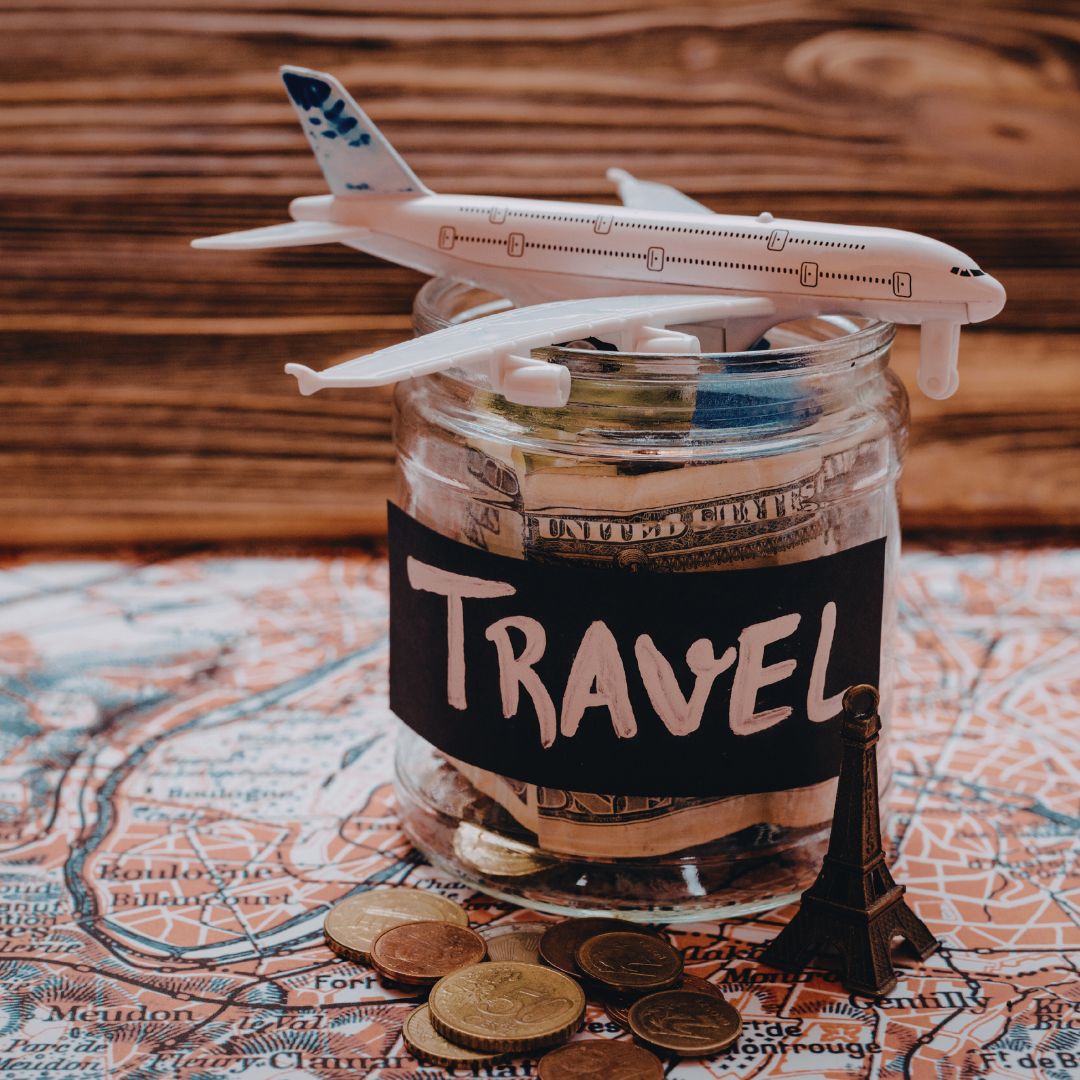
They start by calculating a trip-specific travel budget that includes flights, accommodation, food, local transport, activities, and a 10–15% emergency buffer. Use a spreadsheet or an app to list expected daily expenses by category and multiply by trip length to create a clear target.
Prioritise fixed costs first: book flights and lodging within the budget before adding discretionary spending. Allocate a separate travel fund and set automatic transfers each month so the money accumulates without thinking. Track spending during the trip with a simple app or a notes template to avoid surprises and adjust plans when categories overshoot.
Include fees often overlooked: baggage fees, local taxes, foreign transaction fees, and tipping. If using credit cards, choose those without foreign transaction fees or plan to pay in local currency to avoid dynamic currency conversion losses.
Find Deals on Flights
They search multiple engines—Google Flights, Skyscanner, and Going.com—to compare routes, dates, and prices quickly. Use flexible-date searches and the “+/- 3 days” option to reveal cheaper departure windows and alternative airports.
Set fare alerts and check for weekly price drops; many cheap fares appear 6–8 weeks before departure for domestic trips and 2–5 months for international. Mix and match one-way tickets or different airlines to reduce cost. Consider budget airlines on short-haul legs, but factor in baggage and seat selection fees.
Leverage travel rewards: redeem points or combine cash + points on travel rewards credit cards like Chase Sapphire Reserve or an Amex card. Use airline alliances and open-jaw routes to save distance. Book mid-week flights and red-eyes when possible to access lower fares. Always verify baggage rules and calculate the total door-to-door price before buying.
Save on Accommodation
They compare booking.com, VRBO, Hostelworld, and HotelTonight for last-minute deals and price differences across platforms. Evaluate homestays, hostels, budget hotels, and short-term rentals based on total nightly price plus cleaning and service fees.
Join hotel loyalty programs—Marriott Bonvoy and similar chains—to earn points and unlock free nights or upgrades. Consider travel credit cards that provide hotel statement credits or elite status benefits. For longer stays, negotiate weekly or monthly rates directly with hosts; many VRBO and homestay owners cut prices for multi-week bookings.
Factor location into cost: staying a bit outside the centre can lower nightly rates, but calculate transit time and expense. Use free breakfast and kitchen access to reduce meal costs. Check cancellation terms and refundable rates when prices fluctuate.
Pack Light and Smart
They pack only carry-on when possible to avoid checked baggage fees and speed up airport transit. Choose a lightweight 40L bag, compressible packing cubes, and a capsule wardrobe of neutral, quick-dry pieces that mix and match.
Prepare a toiletries kit under airline liquid limits and rely on laundry options—hand-wash, laundromats, or accommodation laundry—to reduce packed items. Bring dual-use items: a travel towel, a lightweight daypack, and a portable charger that doubles as a battery bank to avoid buying replacements on the road.
Research destination-specific items to avoid unnecessary purchases abroad: power adapters, medication, and modest footwear. Keep important documents and a backup in separate compartments. Packing light reduces baggage fees, speeds through airports, and lowers the risk of lost luggage replacement costs.
Proven Tips to Cut Costs During Your Trip
Take advantage of low-cost transport, free attractions, smart food choices, and small daily habits that add up. Prioritise pre-booking, local services, and alternatives like house-sitting or overnight transport to reduce lodging and transfer costs.
Optimise Local Transportation and Free Activities
They should prefer walking and self-guided walking tours where safe; this saves taxi fares and reveals neighbourhoods at no cost. Use free walking tours or free tourist attractions advertised by city tourist boards; tip guides modestly instead of paying fixed tour prices.
Buy a city pass only after comparing the included attractions to the places they actually plan to visit. Check group discounts for attractions or guided experiences on platforms like GetYourGuide to lower per-person rates.
For longer moves, consider night trains or overnight transportation to save a night’s accommodation and arrive rested. Evaluate Eurail passes against point-to-point tickets on specific routes. Rent a car only when public transit costs and time make it worthwhile; factor in tolls, parking, and fuel into the total.
Get a local SIM card or eSIM for short stays to avoid roaming fees, and withdraw cash strategically to reduce ATM withdrawal fees by using cards with global fee waivers.
Eat Smarter on the Road
They should eat like locals: choose street food stalls with high turnover for cheap, fresh meals and buy local brands at markets to lower grocery costs. Bring a reusable water bottle and refill where safe to avoid bottled water expenses.
Cook a few meals when staying in self-catering accommodation, and use hostels’ kitchens or short-term rentals to cut restaurant bills. Eat out less for lunch instead of dinner—many restaurants offer cheaper midday menus.
Use food apps and local markets to find daily specials rather than tourist-area restaurants. Split larger dishes or order tapas-style to try more without overspending. When planning day trips, pack snacks to avoid high venue prices.
Reduce Hidden and Miscellaneous Expenses
They should review fees before buying: check resort fees, baggage charges, and credit-card foreign transaction fees. Buy travel insurance from reputable providers like World Nomads or SafetyWing when the trip includes nonrefundable bookings or higher-risk activities. Compare policies for medical coverage, cancellation, and baggage.
Use travel hacking: sign-up bonuses, loyalty points, and targeted promotions can reduce flights and hotels, but read the terms to avoid unexpected costs. Consider house-sitting through TrustedHousesitters to save lodging expenses in exchange for pet and home care.
Limit ATM fees by withdrawing larger amounts less often and using cards that refund or waive international ATM fees. Opt out of unnecessary add-ons when booking and monitor resort and tourist-area surcharges. Finally, keep receipts and track daily spending to spot small leaks like parking, gratuities, and supplies that compound over a trip.


You May Also Like
Best Cities for Food Lovers to Visit: Top Culinary Destinations to Explore
Packing For a Long Trip