How to Plan International Travel: A Confident, Step-by-Step Guide for Safe and Efficient Trips
You plan international travel with intention and a practical checklist that keeps surprises minimal. Start by confirming travel documents, vaccinations, entry requirements, and a realistic budget so you can book flights and accommodations with confidence. This article walks through the essential preparations and the step-by-step organisation that turns an idea into a smooth trip.
They will learn how to research destinations, secure visas and insurance, and build an itinerary that balances must-see sights with backup plans. Expect clear guidance on packing, money access, and managing health and safety so the trip stays focused on experience rather than logistics.
Essential Preparations for International Travel
Effective international trips require checking entry requirements, securing documents, booking reliable transport and lodging, and addressing health and insurance needs. Attention to passport validity, visa rules, flight timing, accommodations, vaccinations, and emergency coverage prevents expensive delays.
Choosing Your Destination
They should pick destinations based on purpose, budget, and season. Check climate, peak vs. off-season costs, and local events that affect prices and crowds. Use official tourism sites and recent traveller reports to confirm typical weather, public holidays, and expected opening hours for attractions.
Evaluate safety and entry restrictions early. Consult government travel advisories for crime, civil unrest, or restrictions that could affect the trip. Confirm local laws on medications, dress codes, and cultural norms that carry fines or detention risk.
Plan logistics that shape costs and convenience. Compare flight duration and connections, local transport options, and distance between key sites. Budget for daily expenses by checking recent prices for taxis, meals, and museum fees. Decide whether a single-city stay or a multi-stop itinerary better matches time and stamina.
Understanding Passport and Visa Requirements
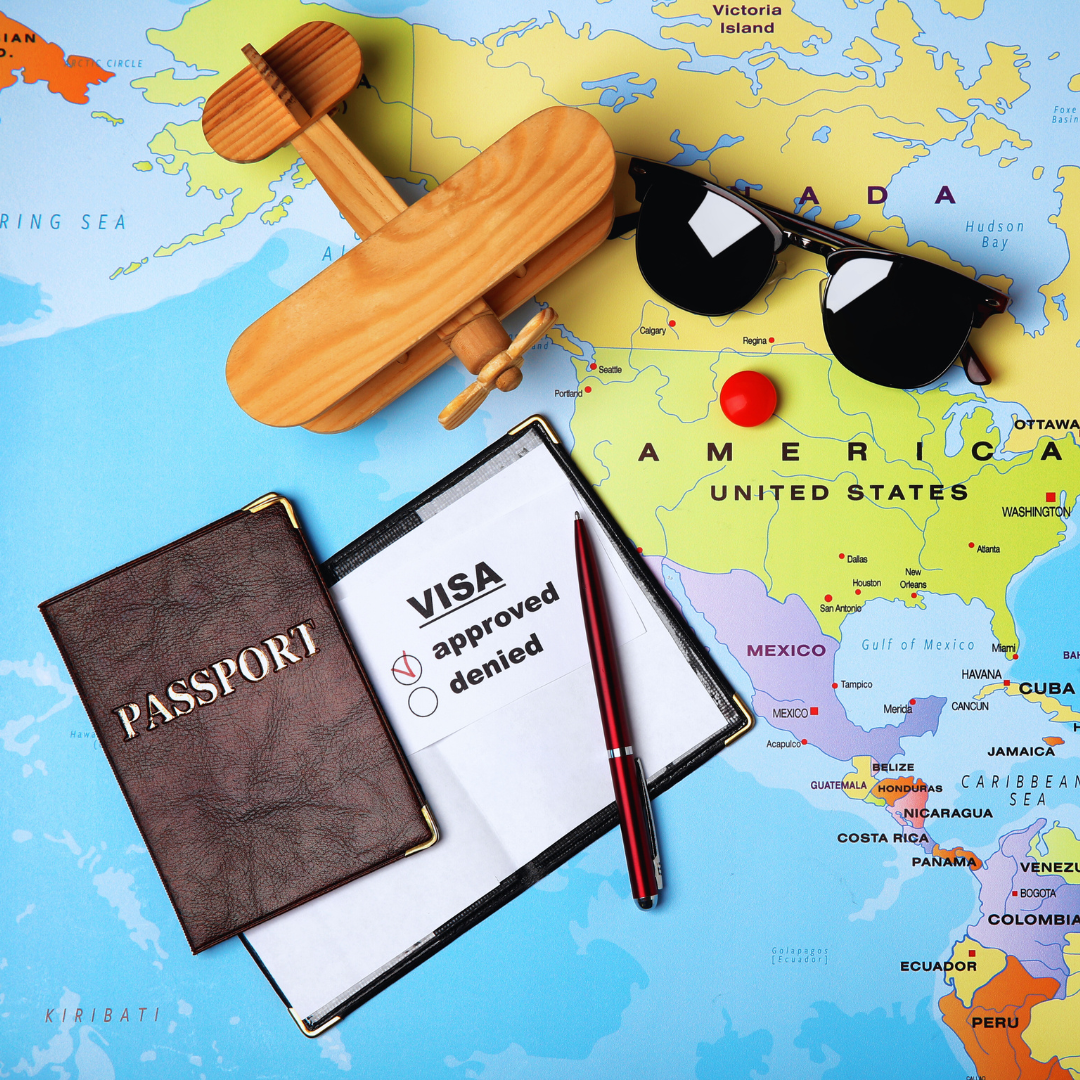
They must verify passport validity immediately. Many countries require at least six months of validity beyond the intended departure date and one or two blank visa pages. If renewal is needed, use expedited services well before the trip to avoid processing delays.
Determine visa needs based on nationality and destination. Check consulate or embassy websites for visa types (tourist, transit, multiple entry), required documents, fees, and processing times. Note Electronic Travel Authorisations (ETAs) or e-visas that require online applications days in advance.
Track entry and exit requirements and any travel restrictions. Confirm proof of onward travel, vaccination certificates, or negative test results when required. Keep digital and printed copies of passport, visa, travel itinerary, and emergency contacts in separate locations.
Booking International Flights and Accommodations
They should book flights with buffer time for connections and potential delays. Choose flights with reasonable layovers (2–3 hours for international connections) and consider refundable or changeable fares if plans may shift. Compare total travel time, baggage rules, and change fees across airlines.
Select accommodations that match safety and convenience priorities. Prefer centrally located hotels or vetted rentals with secure entries and good reviews. Check cancellation policies, local taxes, and whether the property provides essential services like airport transfers or late check-in.
Manage payments and notifications proactively. Notify the bank and credit card companies before departure to prevent fraud alerts. Consider cards without foreign transaction fees, order local currency in advance, and decide whether to buy an international SIM card or a portable Wi‑Fi device for communication.
Health, Safety, and Travel Insurance
They must review health risks and vaccine requirements at least 6–8 weeks before travel. Visit a travel clinic for destination-specific vaccines, antimalarial advice, and prescriptions. Carry a printed and digital copy of vaccination records and any required health forms.
Purchase travel insurance that includes medical evacuation and emergency medical coverage. Confirm policy limits for hospital stays, repatriation, and evacuation; add trip cancellation or interruption coverage if the itinerary and costs justify it. Keep insurer contact details and policy numbers accessible.
Prepare a safety kit and emergency plan. Pack a small first-aid kit, copies of prescriptions, and an emergency cash reserve. Create a list of local emergency numbers, nearby hospitals, and the nearest embassy or consulate; leave an itinerary with a trusted contact at home.
Detailed Trip Planning and Organisation
This section concentrates on cost control, must-have documents, practical packing, and local rules that affect movement and behaviour abroad. It emphasises concrete actions: build a line-item budget, create a day-by-day checklist, pack modularly, and confirm legal entry/exit requirements.
Building Your Budget and Travel Checklist
They should start with a line-item travel budget that separates fixed costs (international flights, accommodations) from variable costs (meals, local transport, attraction fees). List the airline ticket, baggage fees, accommodation booked via Booking.com, Airbnb, or Hostelworld, visa and IDP fees, travel insurance, and an emergency fund. Add daily estimates for meals, local transport (car rental vs. public transit), and incidental purchases.
Create a practical travel checklist tied to booking dates: pre-trip tasks 60–30 days out (book accommodation, reserve car rental, apply for visas), 14–7 days out (print itineraries, download offline maps, enroll in the Smart Traveler Enrollment Program), and 72–24 hours out (confirm flights, check exit requirements, pack essentials). Use a spreadsheet or checklist app and mark items as complete. Attach reservation numbers, directions to accommodations, and local emergency contacts to the file.
Packing Essentials and Smart Travel Tools
They should pack using a prioritised packing list and modular organisers like packing cubes. Essentials: a valid passport, printed and digital copies of reservations, an IDP if driving, a travel insurance card, credit cards with travel notices, and some local currency. Carry a small medical kit, adaptable clothing for the local climate, and two pairs of comfortable shoes.
Include tech and charging tools: a portable charger/power bank, universal plug adapter, phone with offline maps and Google Translate downloaded, and a backup microSD or secure cloud copy of documents. For hostels or budget stays, a lock and a compact towel help. For longer trips, consider a lightweight daypack and laundry soap to reduce packing needs. Label luggage and store digital copies of the travel checklist with reservation links.
Local Laws, Customs, and Final Checks
They must verify entry and exit requirements for each country: passport validity, visa type, quarantine or vaccination rules, and exit taxes. Check official government sites and the destination’s embassy for up-to-date rules, and note any documentation needed at borders. Enroll in the Smart TTravellerEnrollment Program or a similar consular registration to receive alerts and assistance.
Learn basic local customs and legal restrictions that affect behaviour, dress, photography, and alcohol consumption. Use Duolingo or Google Translate to learn key phrases and save common phrases offline. Perform final checks 48–24 hours before departure: confirm international flights and accommodations, check mode of transportation from the airport (pre-book car rental or shuttle), ensure the universal plug adapter and power bank are packed, and verify travel insurance and emergency contacts are accessible.


You May Also Like
Best Cities for Food Lovers to Visit: Top Culinary Destinations to Explore

Where Are the Best Beaches in the UK?