Best Travel Destinations for Beginners: Easy, Affordable Places to Start Exploring
You’ll find approachable trips that build confidence, minimise stress, and maximise enjoyment, whether they want gentle city strolls, easy nature escapes, or cultural spots with straightforward logistics. Choose destinations with good transport, clear signage, safe neighbourhoods, and plenty of English-friendly services to make your first trips smooth and rewarding.
This post highlights beginner-friendly places and must-see experiences, then walks through practical planning tips like packing smart, booking sensible accommodations, and managing simple budgets. Expect concise, usable advice to help them pick a destination and plan the trip with confidence.
Top Beginner-Friendly Travel Destinations and Iconic Experiences
Beginners benefit from destinations with clear transport, English availability, and concentrated sights that reduce planning stress. Iconic landmarks, safe neighbourhoods, and a mix of city and nature experiences help build confidence on a first international trip.
Europe: United Kingdom, France, Italy, and Greece
The United Kingdom offers familiar infrastructure and English signage. In London, visitors can see Big Ben, Buckingham Palace, and the British Museum on efficient Tube lines; day trips to the Scottish Highlands, Edinburgh Castle, and Loch Ness provide scenic contrast.
France gives straightforward metro systems and concentrated highlights in Paris: the Eiffel Tower, Seine River cruises, and easy museum routes to the Louvre and Musée d’Orsay. Regional trains connect to Normandy and the Loire for less-crowded experiences.
Italy balances ancient sites and walkable city centres. Rome’s Colosseum, Roman Forum, and narrow streets around Trastevere make history approachable on foot. The Amalfi Coast offers coastal towns and ferry options for relaxed pacing.
Greece combines Athens’ Acropolis with compact islands where ferries and short flights connect beaches and archaeological sites, making logistics simple for first-timers.
North America: Canada and the United States
Canada provides a wide-open nature and user-friendly cities. Toronto and Vancouver have clear transit, English signage, and nearby day trips to Banff National Park and the Canadian Rockies for easy mountain outings. The Blue Lagoon-style thermal pools appear in Iceland rather than Canada, so beginners should note the differences when planning.
The United States suits first international travellers from English-speaking countries due to the common language and domestic flight networks. New York, Washington, and San Francisco concentrate major museums and landmarks; national parks like Yellowstone and the Grand Canyon offer guided tours and well-marked trails.
Beach destinations in the U.S., such as California’s Bondi-like surf culture at Pacific beaches (Bondi is in Australia) and Florida’s family-friendly resorts, provide predictable service and amenities.
Asia-Pacific: Japan, Thailand, and Australia
Japan combines ultra-reliable trains with clear English signage in major stations. Tokyo’s neighbourhoods and day trips to temples and Mt. Fuji suit cautious planners. Gardens by the Bay is actually in Singapore, but comparable curated urban parks exist in Tokyo and Kyoto for convenient nature within cities. Japan’s cleanliness and politeness reduce stress for first trips.
Thailand offers affordable travel, straightforward tourist routes, and island beaches with established ferry services. Bangkok has clear tourist transport and compact temple circuits; Phuket and Krabi provide familiar beach-resort infrastructure.
Australia presents English language ease and iconic outdoor options. Sydney’s Bondi Beach and day trips to the Blue Mountains, plus organised tours to the Outback and Great Barrier Reef departures from Cairns, simplify logistics and safety for beginners.
Natural and Scenic Highlights for First-Time Travellers
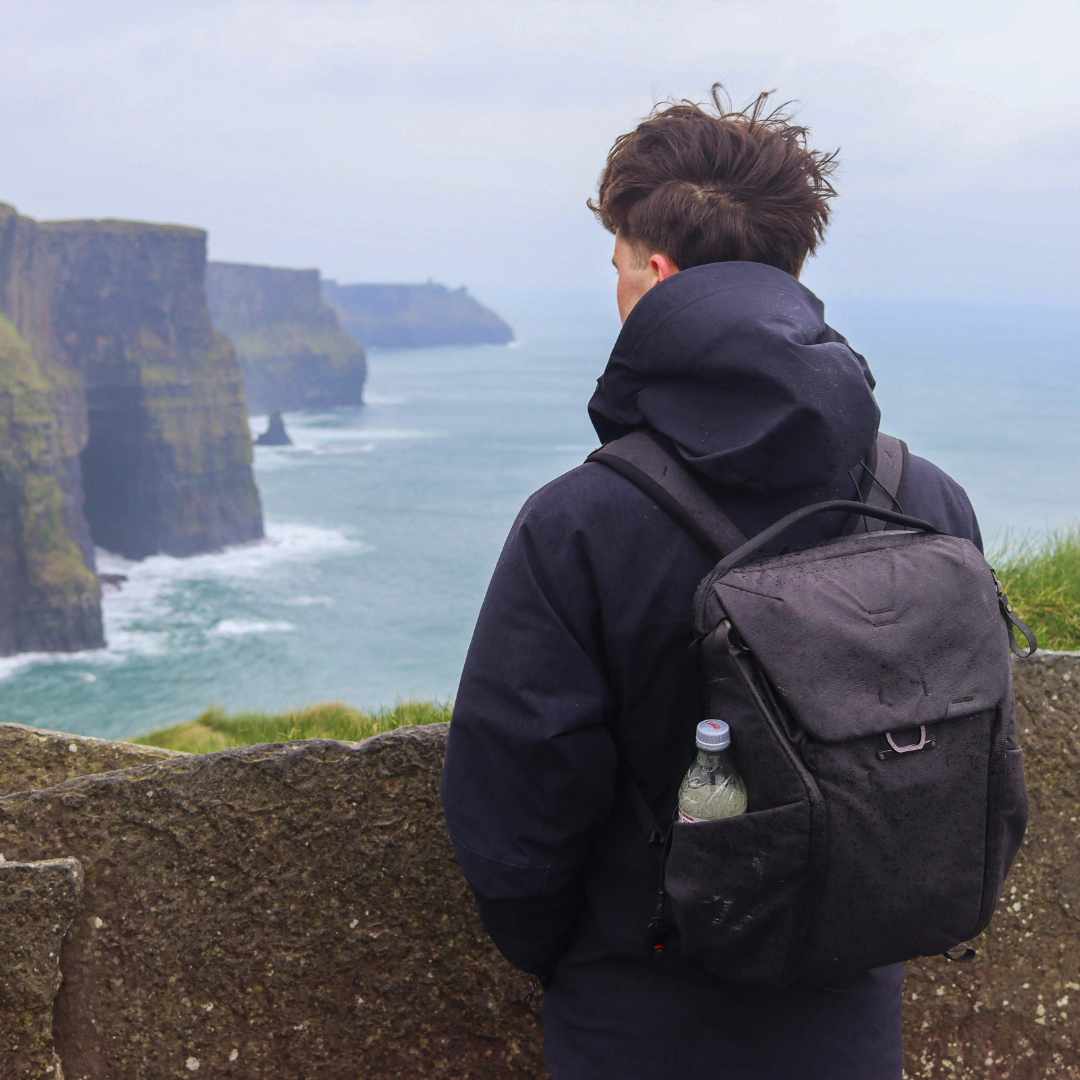
Natural highlights should pair with easy access and minimal technical skill. The Swiss Alps and Amalfi Coast deliver scenic drives, cable cars, and short hikes that suit most fitness levels. The Cliffs of Moher offer dramatic coastal views via marked paths and shuttle services from nearby towns.
Banff National Park has accessible lakes, boardwalks, and guided wildlife tours that teach safe mountain etiquette. Table Mountain in South Africa features cable car access and clear trails from the top; combine with a visit to nearby Cape Town neighbourhoods and Table Mountain views from Signal Hill.
Blue Lagoon refers to Iceland’s geothermal spa with easy transport from Reykjavík, while seaside and island beaches in Greece and Thailand provide shallow-water swimming and organised boat trips for novices.
Essential Travel Tips and Planning for Beginners
Good planning reduces stress and keeps trips safe, affordable, and enjoyable. Focus on research, basic gear, health protection, transport options, and a few guided activities to build confidence.
Planning Your First Trip: Research, Safety, and Itinerary
They should pick one destination and learn entry requirements, local laws, and typical costs before booking anything. Check embassy websites for visas and travel advisories, review sample daily budgets, and map accommodations near public transit or main attractions to minimise wasted time.
Create a simple itinerary with one main activity per half-day and backup options for bad weather or closures. Reserve at least the first night and a trusted transport from the airport; note local emergency numbers and the nearest embassy or consulate. Pack a photocopy of your passport and a list of medications with generic names.
Use apps for offline maps and basic translation; download transit schedules and a local SIM or eSIM plan if staying over a week. Read recent traveller reviews for neighbourhoods and book cancelable options when possible.
Travel Insurance and Health Considerations
They must buy travel insurance that covers medical evacuation and COVID-19–related care if travelling internationally. Compare plans for emergency medical limits, trip cancellation, and lost-baggage reimbursement; check exclusions such as high-risk activities or preexisting conditions.
Visit a travel clinic 4–8 weeks before departure for recommended vaccines and malaria advice if relevant. Bring a small medical kit: prescription meds in original bottles, pain relievers, antidiarrheal, bandages, and blister patches. Carry electronic and printed copies of the insurance policy, emergency contacts, and a brief medical summary with allergies.
Consider telemedicine options included in some policies for nonurgent consultations abroad. If they have chronic conditions, confirm local availability of medications and plan extra supply plus documentation for customs.
Navigating Tourism Infrastructure and Local Transport
They should understand local transport types: trains, buses, ferries, and rideshares, and the typical ways to buy tickets. In many cities, contactless cards or apps work best; in smaller towns, cash fares and fixed-route minibuses may dominate.
Assess safety and reliability: look up peak hours, common scams, and official taxi or ride-hail companies. Reserve long-distance buses or trains in advance during high season. For airports, note ground transport options and approximate fares; prebook shuttle services if arriving late.
Learn basic etiquette for boarding, queuing, and luggage storage. Keep transit receipts until reaching the next accommodation and carry a compact lock for hostel lockers. For first-timers, using guided transfers for the first arrival reduces confusion and fatigue.
Tasting Local Cuisine and Guided Tours
They should sample street-food staples and one signature dessert, like mango sticky rice in Thailand or local kebab varieties in Turkey, while choosing busy vendors to reduce food-safety risk. Start with mild dishes and avoid raw seafood or unbottled water until acclimated.
Book at least one small-group walking or food tour early in the trip to learn neighbourhood history and safe eating spots. Look for local guides with good reviews and accreditation; a 2–3 hour tour helps orient without overwhelming. Use tours to discover reputable restaurants and learn ordering customs.
Keep dietary restrictions visible in the local language on a printed card or in an app. Allocate part of the food budget to try regional specialities—this often yields high value for money and memorable experiences.


You May Also Like
Are All-Inclusive Holidays Better Value for Money?
How to Make the Most of Your Travel Credit Card Points: Maximising Rewards for Unforgettable Adventures